

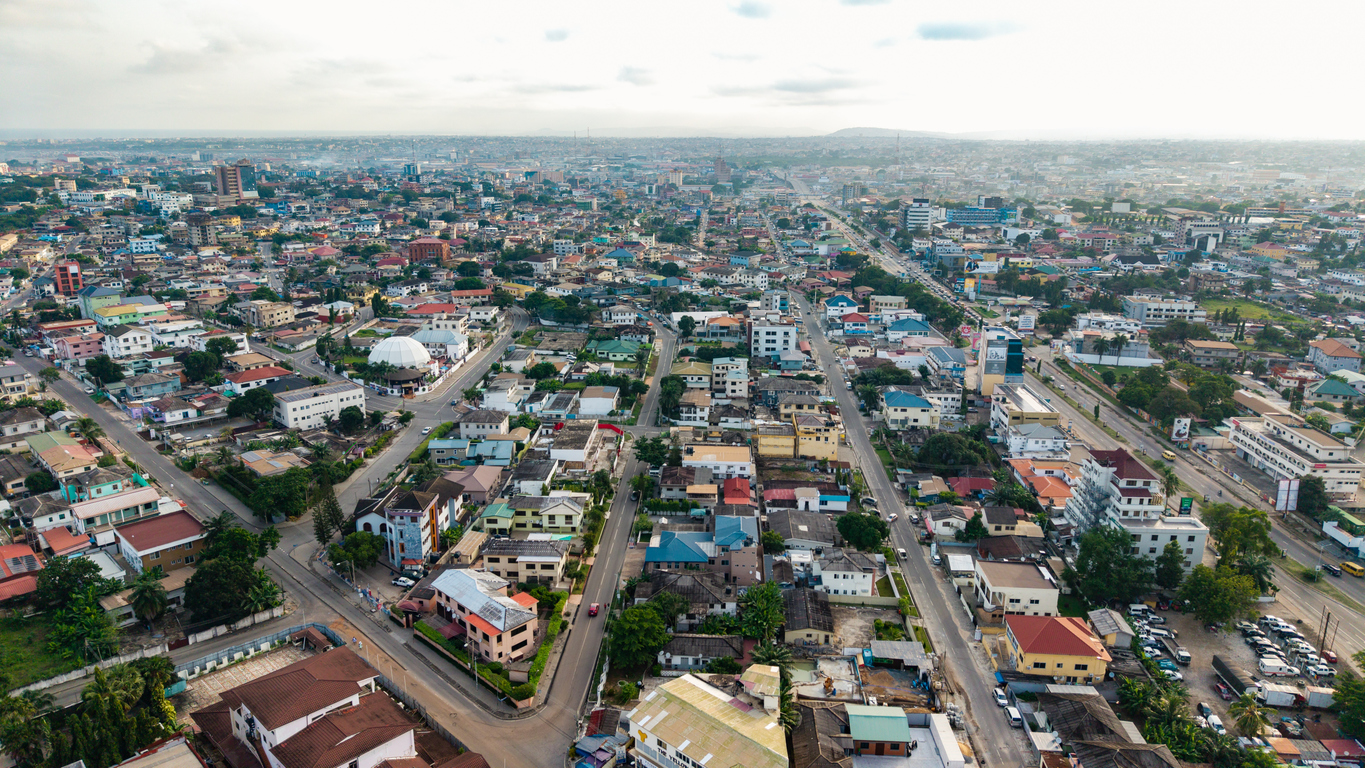
Ghana's property market is powered by some durable tailwinds — and shadowed by a few familiar risks. For investors, the 2026 picture is less about a single forecast number and more about understanding which forces are moving your asset.
The demand drivers
Rapid urbanisation, a persistent housing deficit, a large and active diaspora, and the continued expansion of Accra's suburbs all support demand. New supply from a maturing developer sector is changing the shape of the market — see how many apartments are in Accra.
The risks to watch
Currency volatility is the big one: because so much pricing and rent is dollar-linked, cedi swings move real returns — track the exchange rate. Interest rates, construction costs and title disputes round out the risk list. Build these into your assumptions before you buy.
Rental Yield & ROI Calculator
See the return a Ghana investment property could deliver.
Gross yield = annual rent ÷ price. Net yield deducts your running-cost estimate (management, maintenance, voids, service charge). Indicative only — prime Accra residential typically runs ~7–9% gross (8–11% city-wide), higher for short-let & serviced units. Always verify figures with your own due diligence.
Browse investment properties →
For the full picture start with the complete Ghana property investment guide, compare locations in the best areas to invest in Accra, and if you are overseas read buying as a foreigner and investing from the diaspora. Then browse live listings on Apartments Ghana.
💬 Lately commented
No comments yet — be the first to join the conversation.